Dental emergencies can strike at any time. Not only can they cause significant pain in your mouth, but they can potentially lead to even worse issues if they aren’t dealt with promptly. While dental emergencies can be treated, it’s obviously better to avoid them whenever possible. Below are 5 simple tips that can help you minimize your risk of needing urgent dental care.
Dental emergencies are already stressful, but they may be more so if you’re working overseas. You aren’t in your usual environment, so it’s easy to feel lost about what you should do. Thankfully, you can do a few simple things beforehand to prepare for these urgent scenarios. Here are three tips to remember and ways to protect your smile from these situations.
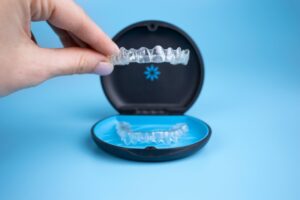
Invisalign has become a popular orthodontic treatment among teens and adults. It offers a discreet, comfortable experience compared to traditional braces. You might be interested in this service yourself, but the thought of wearing two trays on your dental arches may not sound too appealing. It may just be your top teeth you want adjusted, but can you alter your tray journey? Here’s what you should know.
When people think about Invisalign, they often focus on one thing: achieving a straighter smile. While the cosmetic benefits are certainly appealing, Invisalign offers much more than improved appearance. Properly aligned teeth can positively impact your oral health, comfort, and overall quality of life.
If you’re considering Invisalign treatment, here are some benefits that go beyond aesthetics.
Have you ever looked at your smile in the mirror and thought, “I wish I could fix that,” only to hesitate due to your age? It’s a surprisingly common occurrence that becomes more frequent over time. While the apprehension is understandable, you should know that cosmetic dentistry doesn’t have an age limit. Whether you’re in your 50s, 60s, or beyond, improving your smile is very much on the table. Here’s what you should know.
Over time, your smile will change. You may develop new stains or chips, but you may think your grin is starting to look unattractive. Many share the same sentiment, but you can get cosmetic dentistry to fix the flaws that bother you. However, if you haven’t heard much about these services, you might wonder if these types of treatments are safe to get. Here’s what you should know.
When it comes to keeping your teeth and gums healthy, preventive dentistry is the foundation of everything a dental office does. It’s about more than just cleanings or checkups — it’s a philosophy that focuses on protecting your smile before problems ever have a chance to start. A healthy mouth contributes to your confidence, your overall health, and even how you feel each day. By making regular dental visits and at-home care a priority, you’re investing in a lifetime of comfort, wellness, and confidence.
Preventive dentistry begins with regular checkups, typically every six months. During these visits, your dental team takes a comprehensive look at your oral health, identifying early signs of potential issues such as cavities, gum inflammation, enamel wear, or bite irregularities. These exams often include digital X-rays, which allow your dentist to see what’s happening beneath the surface—inside teeth and along the jawbone—catching problems that might not yet be visible or causing pain. This early detection is one of the most valuable benefits of preventive care, as it allows for small, conservative treatments before conditions worsen into something more serious or costly.
Professional cleanings are another essential component of preventive care. Even with excellent brushing and flossing habits, plaque and tartar can still accumulate in hard-to-reach places. Over time, these deposits can lead to gum disease, bad breath, and even tooth loss if not removed. During your cleaning, your dental hygienist uses specialized tools to remove plaque and tartar safely, polish your teeth to prevent future buildup, and offer guidance on how to care for your smile at home more effectively. Many patients leave their appointments feeling refreshed, with teeth that look and feel smoother and brighter.
Preventive dentistry isn’t just about what happens in the dental office—it’s also about the habits you build at home. Daily brushing with fluoride toothpaste and consistent flossing help reduce plaque formation and protect enamel from decay. Dentists often provide personalized recommendations for toothbrush types, toothpaste formulas, and techniques to target specific problem areas. In addition, patients who are prone to cavities or gum sensitivity can benefit from special rinses, fluoride treatments, or dental sealants. Sealants are particularly valuable for children and teenagers, as they create a barrier on the chewing surfaces of molars where bacteria tend to settle.
An often-overlooked aspect of preventive dentistry is how closely oral health is tied to overall health. Studies have shown that gum disease, when left untreated, is linked to heart disease, diabetes, stroke, and certain respiratory conditions. Inflammation in the mouth can trigger inflammation elsewhere in the body, making oral hygiene a key factor in whole-body wellness. This means your dental visits are not only protecting your smile—they’re also supporting your long-term health and longevity.
Preventive care also empowers patients to take control of their health. During your appointments, your dentist and hygienist become your partners in care, helping you understand your specific risk factors and how to manage them. If you grind your teeth, they might recommend a night guard to prevent damage. If you smoke or consume acidic foods and drinks, they can guide you toward healthier choices that preserve enamel and reduce staining. This partnership ensures that your care is always tailored to your needs rather than taking a one-size-fits-all approach.
In addition to maintaining oral health, preventive dentistry saves you both time and money in the long run. Treating early signs of decay or gum irritation is much easier and more affordable than addressing severe infections, tooth loss, or restorative procedures later on. Patients who consistently attend their six-month visits are far less likely to need emergency dental treatments or complex restorative work. In many ways, preventive dentistry pays for itself, providing lifelong protection and peace of mind.
Ultimately, preventive dentistry is about preserving the natural beauty and function of your teeth for as long as possible. It’s a proactive approach—one that focuses on maintaining wellness instead of reacting to disease. With regular professional care, good oral hygiene habits, and a healthy lifestyle, you can keep your teeth strong, your gums firm, and your smile bright well into the future. Your dental team is there to guide you every step of the way, ensuring that prevention truly is the key to lifelong oral health.
When it comes to maintaining a healthy smile, preventive dentistry is the foundation on which everything else is built. Too often, people visit the dentist only when they feel pain or notice a problem. By that point, the issue may already be advanced, requiring more complex treatment. Preventive dentistry, however, shifts the focus from fixing problems to stopping them before they start. This proactive approach not only saves patients time and money, but it also protects long-term oral health in ways that emergency treatment never could.
The core of preventive dentistry lies in regular dental checkups and cleanings. Dentists recommend visiting at least twice a year, though some patients may need more frequent visits depending on their unique needs. During these visits, the dentist examines the teeth, gums, and mouth for early signs of problems like cavities, gum disease, or oral cancer. Catching these conditions in their earliest stages allows for simpler, more effective treatment. For example, a small cavity can be treated with a basic filling, while a cavity left untreated may lead to infection, requiring a root canal or extraction. Prevention minimizes these risks.
Professional cleanings are equally vital. Even with diligent brushing and flossing at home, plaque and tartar can accumulate in areas that are difficult to reach. Hygienists use specialized tools to remove this buildup, lowering the risk of tooth decay and gum disease. Patients often leave these appointments not only with a cleaner smile but also with valuable tips tailored to their unique oral health needs. Personalized advice on brushing techniques, flossing strategies, or fluoride use can make a lasting difference.
Preventive care also involves education. A dental office doesn’t just clean teeth—it equips patients with knowledge. Dentists and hygienists provide guidance on nutrition, proper oral hygiene practices, and lifestyle choices that affect oral health. For instance, limiting sugary drinks, avoiding smoking, and drinking plenty of water are habits that support healthy teeth and gums. By partnering with patients, a dental office becomes a resource for long-term health rather than a place for occasional fixes.
Sealants and fluoride treatments are other preventive tools, especially useful for children. Sealants are thin, protective coatings applied to the chewing surfaces of back teeth, where cavities often develop. Fluoride, whether in the form of varnish at the office or toothpaste at home, strengthens enamel, making it more resistant to decay. These measures are simple yet powerful ways to keep smiles healthy from an early age.
Importantly, preventive dentistry also contributes to overall well-being. Research continues to show a strong connection between oral health and systemic health. Gum disease, for example, has been linked to conditions like heart disease, diabetes, and stroke. By prioritizing preventive care, patients protect more than just their smiles—they safeguard their entire body.
Ultimately, preventive dentistry is about peace of mind. It reassures patients that they’re doing everything possible to avoid painful, costly, and complicated problems down the road. A commitment to routine checkups, cleanings, and healthy daily habits sets the stage for a lifetime of strong teeth and confident smiles.
When most people think about going to the dentist, their mind immediately jumps to getting a cleaning. While it may seem like a basic or routine service, professional teeth cleanings play a critical role in maintaining oral and overall health. Often underestimated, these appointments go far beyond simply polishing your teeth—they’re the foundation of preventative dental care and a vital step in identifying potential oral health problems before they become more serious.
Professional teeth cleanings, typically performed by a dental hygienist, are recommended every six months for most patients. During the appointment, plaque and tartar are carefully removed from the teeth and gum line using special instruments. While brushing and flossing at home are essential, they simply aren’t enough to eliminate all the buildup that occurs over time—especially in hard-to-reach areas. That’s where professional tools and techniques come into play, ensuring that every corner of the mouth gets the attention it needs.
One of the most important aspects of a dental cleaning is the evaluation of your gum health. Early signs of gum disease often go unnoticed by patients because they can be painless and subtle. During your cleaning, your dental hygienist will check for inflammation, bleeding, or recession, which are early indicators of gingivitis or periodontal disease. Catching these signs early is key to preventing more severe complications like gum recession, tooth loss, or even systemic health conditions linked to gum disease, such as heart disease and diabetes.
Another essential part of a cleaning is the oral exam that follows. Your dentist will examine your mouth for any signs of decay, infection, or abnormalities. This includes checking the tongue, cheeks, palate, and throat for potential signs of oral cancer. Like many health conditions, oral cancer is most treatable when detected early. These exams are non-invasive and take just a few minutes but can make a huge difference in long-term outcomes.
Teeth cleanings also provide cosmetic benefits that many patients appreciate. Removing plaque, tartar, and surface stains can significantly brighten your smile, giving you a more polished and refreshed appearance. For patients who drink coffee, tea, red wine, or smoke, these appointments help manage the discoloration that naturally builds up. The polishing phase of the cleaning leaves teeth smooth, which not only looks and feels good but also makes it harder for new plaque to adhere to the surface.
Beyond the physical benefits, regular cleanings offer a unique psychological boost. Walking out of the dental office with a clean mouth and a brighter smile can increase your confidence and motivation to take better care of your teeth. Patients often report feeling more committed to their oral hygiene routines after a professional cleaning. It’s also a great opportunity to ask questions about your brushing and flossing techniques or discuss any concerns you may have about your oral health.
In the end, professional teeth cleanings are far more than a “basic” dental service. They are comprehensive, preventative, and highly personalized experiences that protect your smile and overall wellness. Whether it’s catching early signs of gum disease, removing stubborn buildup, or providing peace of mind through routine exams, cleanings are a cornerstone of effective dental care. If it’s been more than six months since your last visit, now is the perfect time to schedule one. Your smile—and your health—will thank you.
For many people, smiling doesn’t come easily — not because they aren’t happy, but because they feel self-conscious about their teeth. Whether it’s stains that won’t lift, chips and cracks that draw attention, or gaps that make you hold back, these small imperfections can take a big toll on confidence. That’s why so many patients are turning to veneers — one of the most transformative cosmetic dental solutions available today.
Veneers are ultra-thin shells of porcelain or composite resin that are custom-made to cover the front surface of your teeth. They’re carefully designed to blend in with your natural teeth, matching color, shape, and size so perfectly that no one can tell the difference. It’s like giving your smile a fresh start without extensive dental work or lengthy orthodontics.
One of the biggest advantages of veneers is their versatility. They can address a wide range of cosmetic concerns all at once. Whether you have stubborn discoloration that whitening can’t fix, worn or chipped teeth, uneven edges, or small gaps, veneers can instantly create a uniform, bright, and natural-looking smile.
Getting veneers typically takes just two visits. During the first appointment, your dentist will prepare the teeth by removing a tiny amount of enamel to make room for the veneer, then take impressions to ensure a perfect fit. You’ll even get temporary veneers to wear while your custom ones are being crafted in a specialized lab.
When your permanent veneers are ready, your dentist will bond them securely to your teeth, fine-tuning the shape and color until they look flawless. The result is a smile that looks healthy, balanced, and effortlessly beautiful — often in just a few weeks.
Veneers are also surprisingly durable. With good oral hygiene and regular dental visits, they can last 10–15 years or longer. Unlike natural enamel, porcelain veneers resist staining, so you can keep enjoying coffee, tea, and other favorites without worrying about dulling your new smile.
If you’ve been dreaming of a smile makeover but don’t know where to start, talk to your dental team about veneers. This simple yet dramatic solution can help you rediscover the confidence and joy that comes from smiling without hesitation.